

/1.%20Visuals/Website/Icons/RegulatoryCompliance_Visuals_Navigation%20(1).png?width=40&height=40&name=RegulatoryCompliance_Visuals_Navigation%20(1).png)


/1.%20Visuals/Website/Icons/Testing_Visuals_IconNavigation%20(1).png?width=40&height=40&name=Testing_Visuals_IconNavigation%20(1).png)


/1.%20Visuals/Website/Icons/government%201.png?width=40&height=40&name=government%201.png)
/1.%20Visuals/Website/Icons/energy_utilities%201.png?width=40&height=40&name=energy_utilities%201.png)
/1.%20Visuals/Website/Icons/defense%201.png?width=40&height=40&name=defense%201.png)
/1.%20Visuals/Website/Icons/food%201.png?width=40&height=40&name=food%201.png)
/1.%20Visuals/Website/Icons/finance%201.png?width=40&height=40&name=finance%201.png)
/1.%20Visuals/Website/Icons/manufacturing%201.png?width=40&height=40&name=manufacturing%201.png)


/1.%20Visuals/Website/Icons/CTG%20Academy.png?height=56&name=CTG%20Academy.png)


 Austria
 Belgium
 Denmark
 Germany
 Italy
Italy Romania
 Sweden
 Switzerland
 The Netherlands
 United Kingdom
 United States
Organizations have never had more workplace technology at their disposal. Yet many still struggle to show how those investments improve productivity, employee experience or business performance over time.
The digital workplace success paradox
The digital workplace has become significantly more capable. Cloud collaboration is established, endpoint management is more mature, security controls continue to improve and AI is entering everyday work. For many organizations, the technology foundation is no longer the main constraint.
That creates a paradox. As the workplace becomes more advanced, the link between investment and sustained business value often becomes less clear. New capabilities are introduced, adoption campaigns are launched and dashboards are reviewed, but leaders still ask: what should we improve next, and why?
The issue is rarely a lack of effort. Workplace teams are expected to improve employee experience, support AI adoption, strengthen security and keep pace with constant innovation. At the same time, workplace platforms generate more signals than teams can realistically interpret. Deciding what matters next is becoming harder than implementing technology itself.
Technology implementation is not value realization
A successful rollout can confirm that a platform is available, secure and technically operational. It does not automatically confirm that work has become easier, faster or more effective. Workplace programs often stop measuring at the point where business value should begin.
Operational metrics tell only part of the story
Measures such as service availability, device compliance, incident volumes, deployment progress and feature adoption are essential for operating the environment. But they are not the same as outcomes.
High adoption does not prove that a capability improves a critical workflow. Fewer tickets do not always mean employees experience less friction. A secure device estate does not show whether people can complete their work with fewer interruptions.
Value is distributed across the organization
Workplace outcomes are shaped by technology, processes, skills, governance, leadership and the realities of different employee roles. IT may own the platform, HR may lead employee experience, security may define controls and business teams may own the work that needs to improve.
Without a shared improvement agenda, each team optimizes its own part of the system. The result can be strong individual initiatives that do not add up to a coherent employee experience or measurable business outcome.
Why value gets lost after implementation
-
Workplace initiatives are managed separately, with different owners, timelines and success measures.
-
Operational teams remain focused on incidents and continuity, leaving limited capacity for proactive improvement.
-
Employee feedback, service data, maturity insights and innovation updates are reviewed in different forums.
-
New opportunities compete for attention without a consistent method for comparing value, readiness and feasibility.
-
Roadmaps are treated as delivery plans rather than living decision tools.
These conditions create a widening gap between what the workplace could enable and what the organization is ready to absorb. More technology can even increase the gap if every new capability adds another decision, dependency or adoption challenge.
The hidden cost of disconnected improvement
When signals and decisions remain disconnected, organizations fall back on urgency. The loudest issue receives attention, the newest technology receives funding and the most visible stakeholder receives priority. Important but less visible opportunities remain unresolved.
Most importantly, the organization cannot build a reliable learning loop. It implements, observes and reacts, but it does not consistently connect evidence to priorities and priorities to outcomes.
Organizations already have dashboards, reports, operational metrics, employee feedback and assessment results. The problem is rarely a lack of information. The challenge is bringing those signals together, understanding what they mean and determining which actions will create the greatest value.
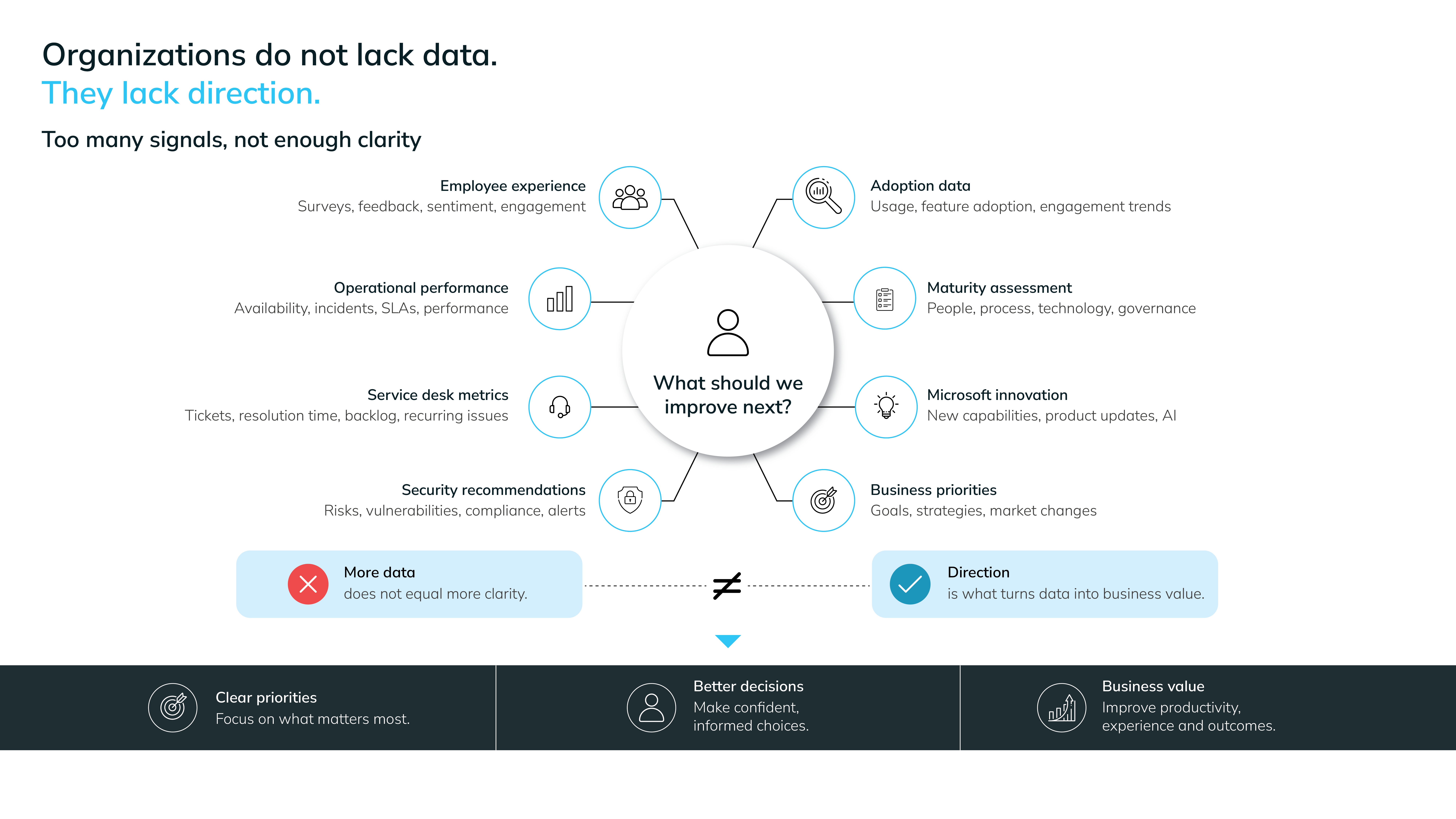
Image 1: Organizations do not lack data. They lack direction.
Continuous value requires a continuous improvement cycle
The alternative is not another dashboard or a larger transformation program. It is a repeatable operating model for workplace improvement. Such a model should help leaders understand the current state, interpret signals in context, agree on the next-best actions and track whether those actions create value.
-
Create a shared view of current maturity across people, process, technology and governance.
-
Combine operational performance, employee experience, customer context and innovation intelligence.
-
Prioritize opportunities according to business impact, readiness, feasibility and strategic relevance.
-
Translate priorities into owned actions and a roadmap that evolves as conditions change.
-
Review outcomes and feed what is learned into the next improvement cycle.
This turns workplace strategy from a sequence of isolated projects into an ongoing management discipline. It also changes the executive conversation. Instead of asking whether a technology was deployed, leaders can ask whether the workplace is becoming more productive, more resilient and better aligned with business priorities.
From static roadmaps to living roadmaps
Many organizations still manage workplace transformation through a familiar pattern:
Assess → Report → Roadmap → Wait
An assessment is performed, recommendations are developed and a roadmap is created. The organization then spends months, or even years, executing against that plan.
The problem is that the workplace evolves faster than the roadmap. Business priorities change, employee expectations shift, operational challenges emerge and Microsoft continuously introduces innovation across Microsoft 365, Copilot and AI. What was the right priority six months ago may no longer be the most valuable investment today.
The future belongs to living roadmaps
Roadmaps that continuously evolve based on business priorities, operational insights, employee experience signals, maturity improvements and emerging innovation opportunities. The objective is no longer to create a roadmap. The objective is to continuously improve it.
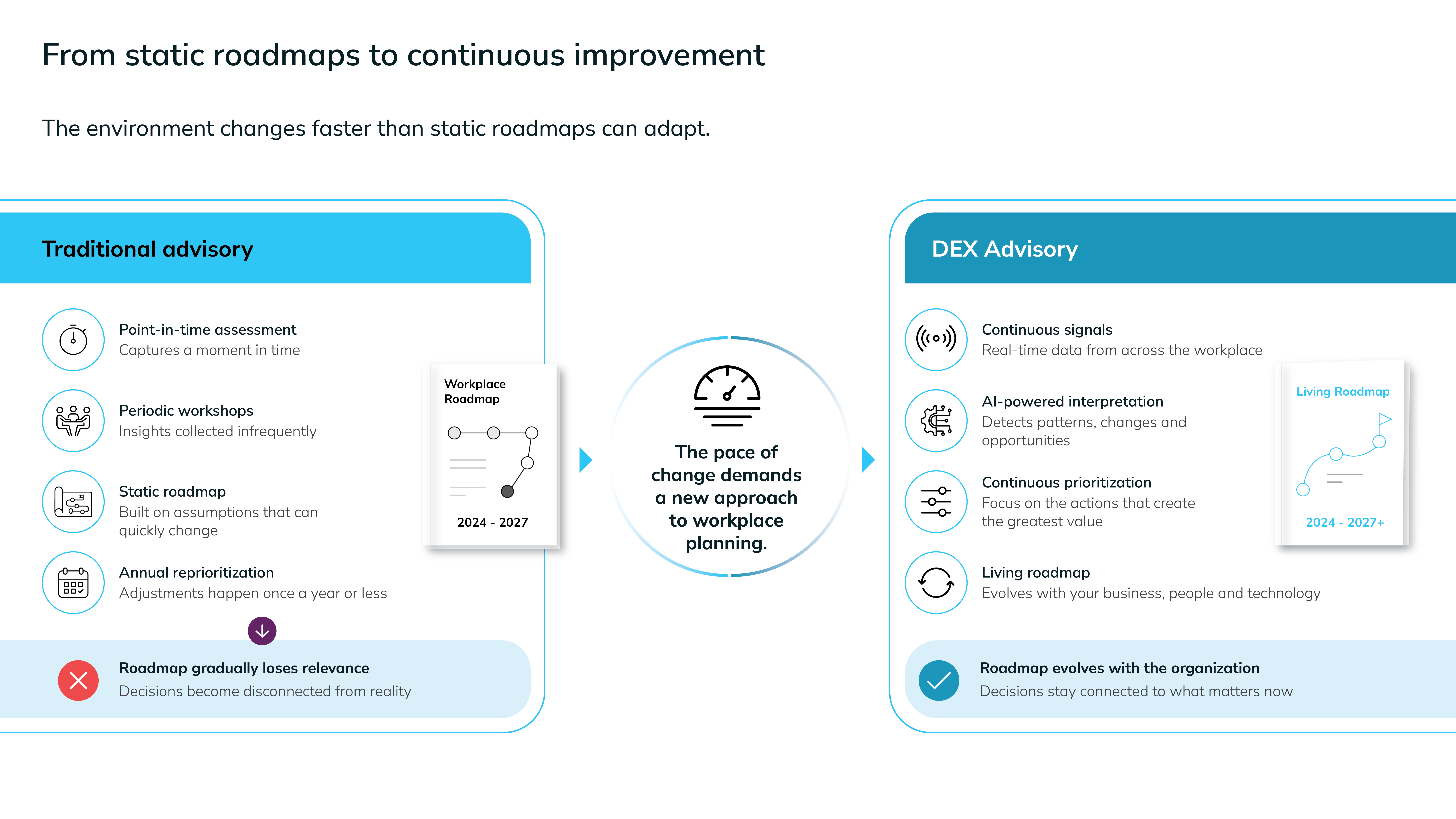
Image 2: From Static Roadmaps To Continuous Improvement
For a deeper look at why traditional workplace roadmaps lose relevance so quickly, read the related article: Why Traditional Workplace Roadmaps Become Obsolete So Quickly.
Establishing the foundation for continuous improvement
A living roadmap can only exist when organizations understand where they stand today. Leaders need a structured view of current capabilities across people, process, technology and governance.
This is where the DEX Maturity Model becomes essential. It establishes a common baseline, identifies capability gaps and helps determine which opportunities are most relevant to the organization’s current level of maturity. Without this foundation, workplace decisions are often based on assumptions rather than evidence.
The challenge: nobody can keep up with everything anymore
Even with a maturity baseline in place, another challenge emerges: the volume of workplace signals continues to grow. Digital workplace teams must continuously evaluate operational data, employee experience insights, maturity assessments, security recommendations, business priorities and Microsoft innovation.
Each source provides value. The challenge is determining which signals matter most and which actions should influence the roadmap. For most organizations, the pace of change has become too fast to manage through annual assessments, static roadmaps and manual prioritization alone.
From maturity to continuous advisory
The goal is no longer to assess the workplace once a year. The goal is to continuously evaluate workplace maturity, operational performance, employee experience, innovation opportunities and business priorities, and translate those insights into actionable recommendations.
This thinking sits at the heart of DEX Advisory Services. By combining the DEX Maturity Model with operational insights, employee experience signals, innovation intelligence and customer context, organizations can continuously identify opportunities, reprioritize investments and determine the next-best actions.
-
From static roadmaps to living roadmaps.
-
From periodic reviews to continuous guidance.
-
From isolated projects to continuous improvement.
A better question for workplace leaders
The question is no longer whether the organization has invested enough in workplace technology. The better question is whether it has a reliable way to continuously convert those investments into better decisions and measurable outcomes.
Technology does not create continuous business value on its own. A disciplined cycle of assessment, prioritization, action and learning does. The challenge is no longer access to technology. The challenge is knowing what to improve next.
/1.%20Visuals/Website/Icons/x-twitter.svg)


